March 2026
Why I Built Lectr
I read a lot. Not as a productivity exercise or a self-improvement project — I just like reading. Fiction, non-fiction, whatever catches me. Over the years I’ve accumulated thousands of highlights on my Kindle, scribbled notes in margins, dog-eared pages I meant to come back to. All of it scattered. All of it slowly disappearing into the past.
I wanted a simple tool to hold it all together. Somewhere to store quotes, jot down thoughts, and connect ideas across different books. A reading notebook, basically — but digital, searchable, and always with me.
Nothing I found did exactly what I wanted.
Too Much, Not Enough
The existing apps fell into two camps. On one side, the big social platforms — Goodreads and its descendants — which are really about sharing, reviewing, and community. I don’t want to broadcast my reading. I don’t want affiliate links nudging me to buy the next book. I don’t want to lend books to strangers. I just want to think about what I’ve read.
On the other side, subscription apps with beautiful marketing and feature lists as long as your arm. Reading streaks, gamification, social sharing, AI summaries, integrations with fourteen different services. Many of them genuinely impressive. But I found them overwhelming. I’d open the app and feel like I was at a dashboard, not a desk. And the subscription model sat badly with me — I didn’t want to rent my reading notebook.
What I wanted was a carefully chosen set of features done really well. Store my books. Capture quotes and notes. Let me tag, colour-code, and cross-reference. Let me search everything. And then get out of the way.
No Streaks
I have a particular dislike of streak tracking. The idea that I should read every day, and that breaking the chain is some kind of failure, turns a pleasure into a chore. Reading isn’t a gym habit. Sometimes I read three books in a week. Sometimes I don’t pick one up for a month. Both are fine. An app that makes me feel guilty about the second scenario is working against me, not for me.
Lectr has no streaks, no daily goals, no gamification. It doesn’t try to motivate you. It assumes you’re already motivated and just need a good place to keep your notes.
Private by Default
I’m a software engineer, and I know how data works. When an app asks you to create an account, your data lives on someone else’s server. When an app is free, you’re the product. When an app tracks usage, that data gets sold, shared, or leaked.
Lectr has no accounts. No tracking. No analytics. No ads. Your data lives on your device, synced through your own iCloud account — not through any server I control. I literally cannot see your library. That’s not a limitation; it’s the whole point.
Built for Performance
The engineering side of me cared about things most users will never consciously notice, but will feel. The app should launch instantly. Scrolling should be perfectly smooth. Searching a large library should return results without any perceptible delay.
I benchmarked Lectr with 10,000 books in the library — far more than anyone is likely to have — to make sure it stayed fast. A tool you use every day has to feel solid. It has to feel like it respects your time.
But technology serves the experience, it doesn’t drive it. I don’t want anyone to think about the engineering. I want them to open the app, save a quote, and get back to their book.
Built with Modern Tools
I built Lectr in a few intensive weeks of evenings and weekends, which would have been impossible a couple of years ago. I used Claude Code extensively — an AI coding assistant from Anthropic. It’s become an essential part of how I work.
I see some developers treat AI tools with suspicion, as if using them is somehow cheating. I stopped using a typewriter when I got my first word processor. These tools make experienced engineers dramatically more productive. The key word is “experienced” — you still need to know how to architect an app, how to make good design decisions, when to push back on a suggestion. AI doesn’t replace judgement. It removes busywork so you can focus on judgement.
Ten Years of Highlights
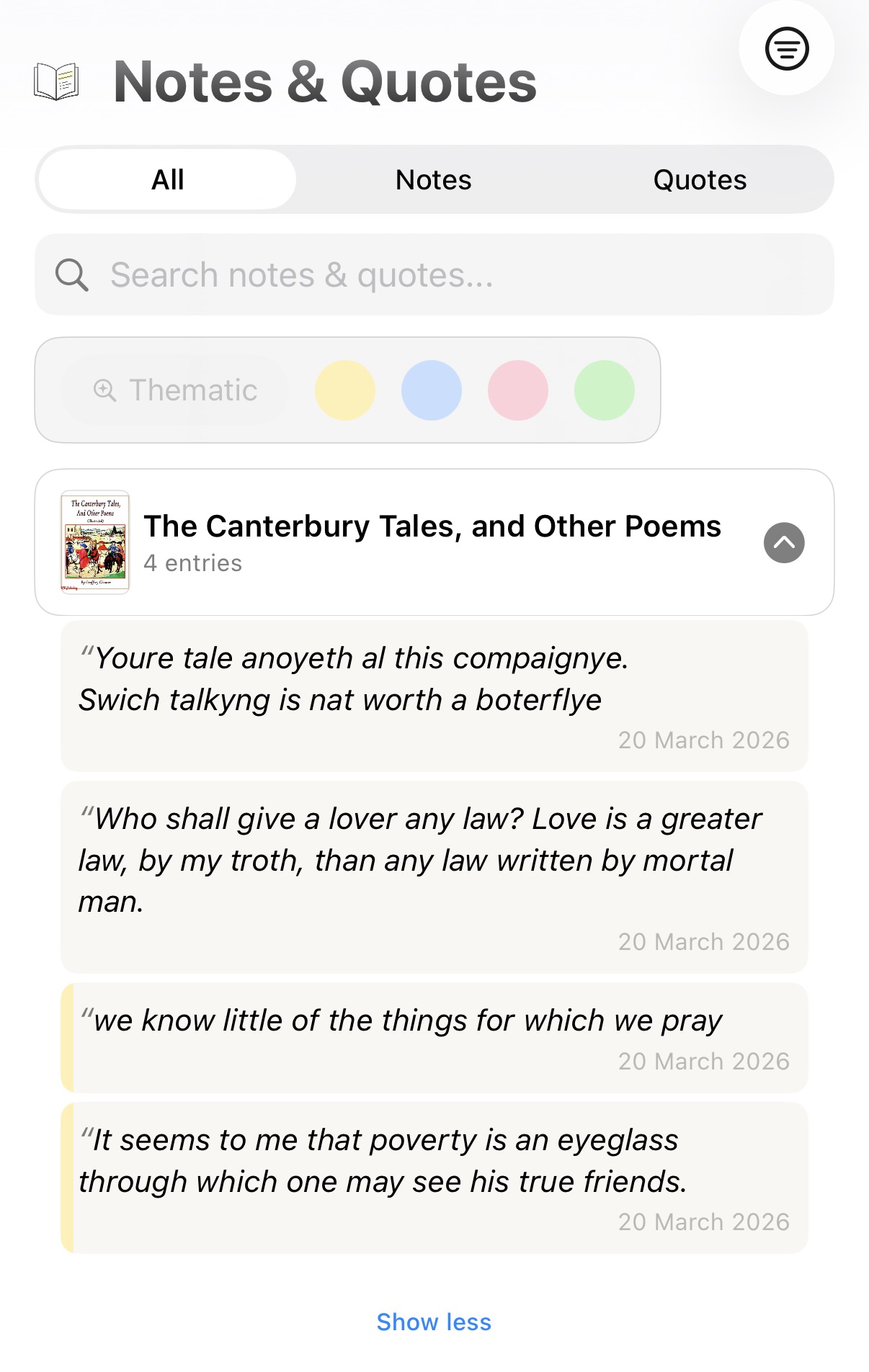
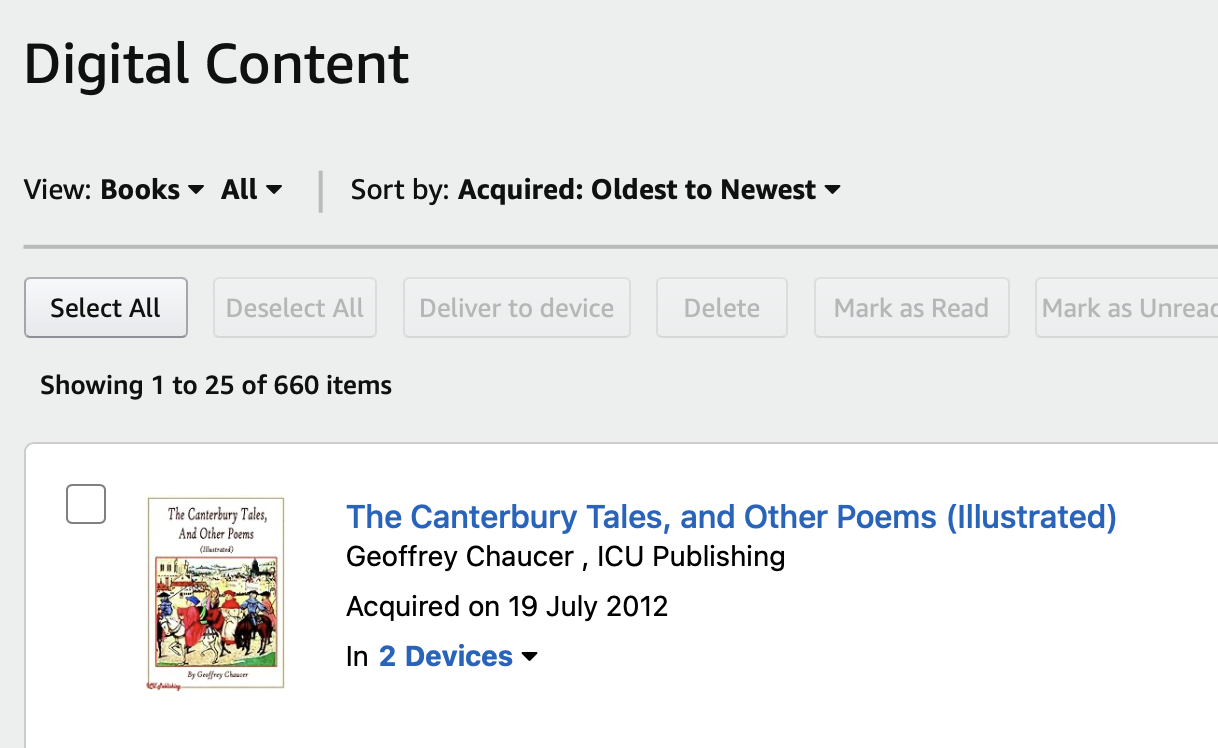
The moment that convinced me Lectr was worth building wasn’t a feature completing or a milestone shipping. It was importing my Kindle clippings.
More than ten years of highlights came flooding in. Books I’d forgotten I’d read. Passages I’d underlined on trains, in waiting rooms, late at night. Thoughts I’d had about ideas that had since become part of how I think, without my remembering where they came from.
One that stopped me was from Ajahn Chah, the Thai Buddhist teacher, in Everything Rises, Everything Falls Away. A passage about impermanence — about sitting with uncertainty rather than fighting it. I’d highlighted it years ago and completely forgotten. Reading it again, in a different context, in a different part of my life, it landed differently. More deeply.
That’s what “remember what you read” actually means. Not memorising facts or accumulating data. It’s about keeping a thread running between your past self and your present self. The things that struck you once can strike you again, in new ways, if you give them a chance to resurface.
Reading More
An unexpected thing happened after I started using Lectr daily: I read more. Not because the app gamified reading or set targets for me. But because having a place to put my thoughts made the reading feel more worthwhile. There was somewhere for the good bits to go. The act of capturing a quote or writing a note became part of the reading itself, not an interruption to it.
I rediscovered my joy in reading. That sounds grand, but it’s true. The Kindle import alone was worth the effort of building the whole app — years of content I’d stored but had no convenient way to explore, suddenly organised, searchable, and mine again.
What Lectr Is
Lectr is a reading notebook. It helps you store, organise, and remember. It’s private, fast, and calm. No accounts, no ads, no subscription, no social features, no streaks. One purchase, and it’s yours.
I built it because I wanted it to exist. I hope some of you want it too.
— John